
How Sleep Apnea Impacts Heart Health, Energy, and Daily Performance

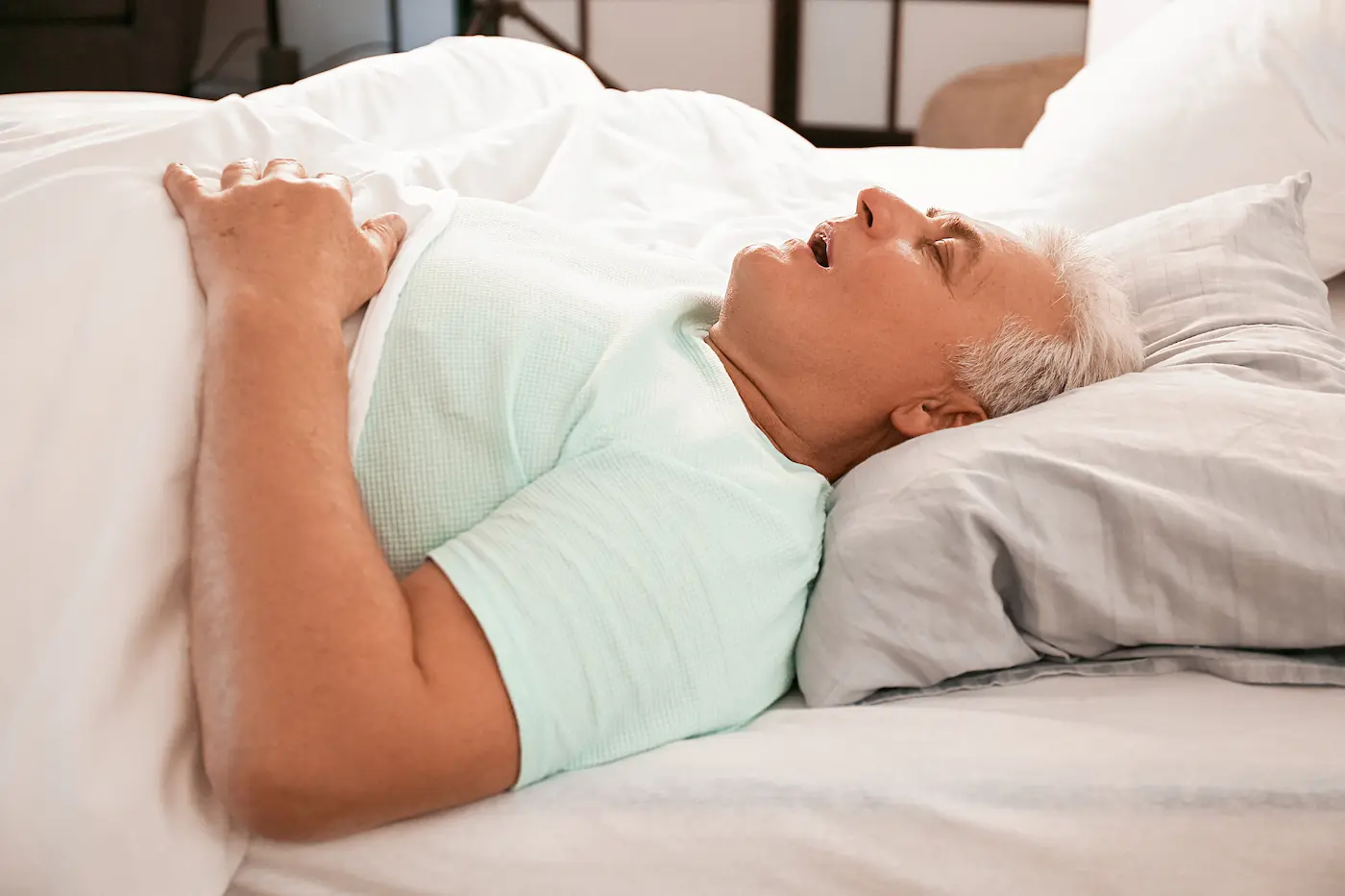
Sleep is essential for physical health, mental clarity, and emotional balance. When sleep is repeatedly disrupted, the effects extend far beyond feeling tired the next day. Sleep apnea is a common yet often undiagnosed condition that interferes with breathing during sleep and places ongoing stress on the body. Over time, untreated sleep apnea can significantly impact heart health, energy levels, and overall daily performance.
At Crystal Clear Dental Spa in Jacksonville, sleep apnea screening and treatment options are available to help patients improve sleep quality and protect long term health. Understanding how sleep apnea affects the body highlights why early evaluation and care are so important.
What Happens to the Body During Sleep Apnea
Sleep apnea causes repeated pauses in breathing throughout the night. These pauses may last several seconds or longer and can occur dozens or even hundreds of times while sleeping. Each interruption briefly lowers oxygen levels and forces the body to wake just enough to resume breathing.
Although these awakenings are often not remembered, they prevent the body from reaching deeper, restorative stages of sleep. The repeated stress responses triggered by breathing interruptions place strain on multiple systems in the body.
The Connection Between Sleep Apnea and Heart Health
One of the most serious effects of sleep apnea involves cardiovascular health. Reduced oxygen levels and repeated awakenings activate the body’s stress response throughout the night.
Increased Blood Pressure
Sleep apnea is strongly associated with high blood pressure. Each breathing interruption causes a surge in blood pressure as the body struggles to restore airflow. Over time, this repeated stress can lead to consistently elevated blood pressure levels.
Higher Risk of Heart Disease
Untreated sleep apnea increases the risk of heart disease, heart attack, and irregular heart rhythms. Low oxygen levels and chronic inflammation place added strain on the heart, affecting its ability to function efficiently.
Stroke Risk
The combination of high blood pressure, reduced oxygen, and inflammation also raises the risk of stroke. Managing sleep apnea plays an important role in reducing cardiovascular strain and supporting long term heart health.
How Sleep Apnea Drains Energy Levels
Daytime fatigue is one of the most noticeable effects of sleep apnea. Even after spending adequate hours in bed, individuals with sleep apnea often wake feeling unrefreshed.
Poor Sleep Quality
Frequent sleep disruptions prevent the body from completing normal sleep cycles. Deep sleep stages are essential for physical recovery, hormone regulation, and immune function. Without them, energy levels suffer.
Chronic Fatigue
Persistent fatigue may affect motivation, mood, and physical endurance. Many individuals attribute low energy to stress or aging without realizing sleep apnea may be the underlying cause.
Morning Headaches
Reduced oxygen levels during sleep can contribute to morning headaches. These headaches often fade as the day progresses but signal poor overnight oxygenation.
Effects on Focus, Memory, and Mental Performance
Sleep apnea does not only affect physical energy. Cognitive performance is also impacted.
Difficulty Concentrating
Interrupted sleep reduces the brain’s ability to focus and process information. Tasks that require sustained attention may feel more difficult.
Memory Challenges
Memory consolidation occurs during deep sleep. Repeated sleep interruptions interfere with this process, making it harder to retain new information.
Slower Reaction Time
Poor sleep affects reaction time and decision making. This can increase the risk of errors at work or while driving.
Impact on Mood and Emotional Wellbeing
Sleep plays a critical role in emotional regulation. Sleep apnea often contributes to mood changes that affect daily interactions.
Increased Irritability
Lack of restorative sleep may lead to irritability and reduced patience. Small stressors can feel overwhelming when the body is exhausted.
Anxiety and Low Mood
Sleep apnea has been linked to increased risk of anxiety and depressive symptoms. Chronic fatigue and disrupted sleep patterns influence neurotransmitters that regulate mood.
How Sleep Apnea Affects Daily Performance
Daily performance depends on energy, focus, and emotional balance. Sleep apnea can undermine all three.
Work Productivity
Fatigue and reduced concentration can lower productivity and efficiency. Tasks may take longer to complete and errors may increase.
Physical Performance
Reduced energy and slower recovery can affect exercise tolerance and physical activity. This may contribute to weight changes that further worsen sleep apnea.
Safety Concerns
Daytime sleepiness increases the risk of accidents, particularly while driving or operating machinery. Recognizing and treating sleep apnea improves alertness and safety.
Dental Sleep Apnea Solutions and Oral Appliances
Many people associate sleep apnea treatment only with CPAP devices. While CPAP therapy is effective, some individuals struggle with comfort and consistency.
Dental sleep appliances offer an alternative for certain patients. These custom oral devices gently reposition the jaw and tongue to help keep the airway open during sleep.
At Crystal Clear Dental Spa, dental sleep solutions may be considered for patients with mild to moderate sleep apnea or those who cannot tolerate CPAP therapy.
Signs Sleep Apnea May Be Affecting Your Health
Sleep apnea symptoms often go unnoticed. Common signs include:
- Loud or chronic snoring
- Daytime fatigue despite adequate sleep
- Morning headaches
- Difficulty concentrating
- Irritability or mood changes
- Waking up gasping or choking
A professional evaluation helps determine whether sleep apnea is present.
Why Early Treatment Matters
Treating sleep apnea improves more than sleep quality. Addressing airway obstruction reduces strain on the heart, supports energy restoration, and enhances daily performance.
Many patients report improved alertness, better mood, and increased motivation once sleep apnea is managed effectively.
Supporting Better Sleep and Long Term Wellness
Sleep apnea treatment works best when combined with healthy lifestyle habits. Maintaining a healthy weight, limiting alcohol before bedtime, and following a consistent sleep schedule all support better outcomes.
Dental and medical collaboration ensures treatment plans are aligned with individual health needs.
Schedule a Sleep Apnea Consultation
If you are experiencing fatigue, snoring, or reduced daily performance, sleep apnea may be affecting your health more than you realize. Early evaluation leads to better outcomes and improved quality of life.
Contact Crystal Clear Dental Spa in Jacksonville, Florida, to schedule a sleep apnea consultation and learn how dental based solutions may help you sleep better, protect your heart, and restore daily energy.
Read More Blogs!
Stay updated with the latest blog posts and engage with our community.